

October 10, 2025 Written by: Daniel Draney
Lint Trap vs Dryer Vent: Understanding the Differences
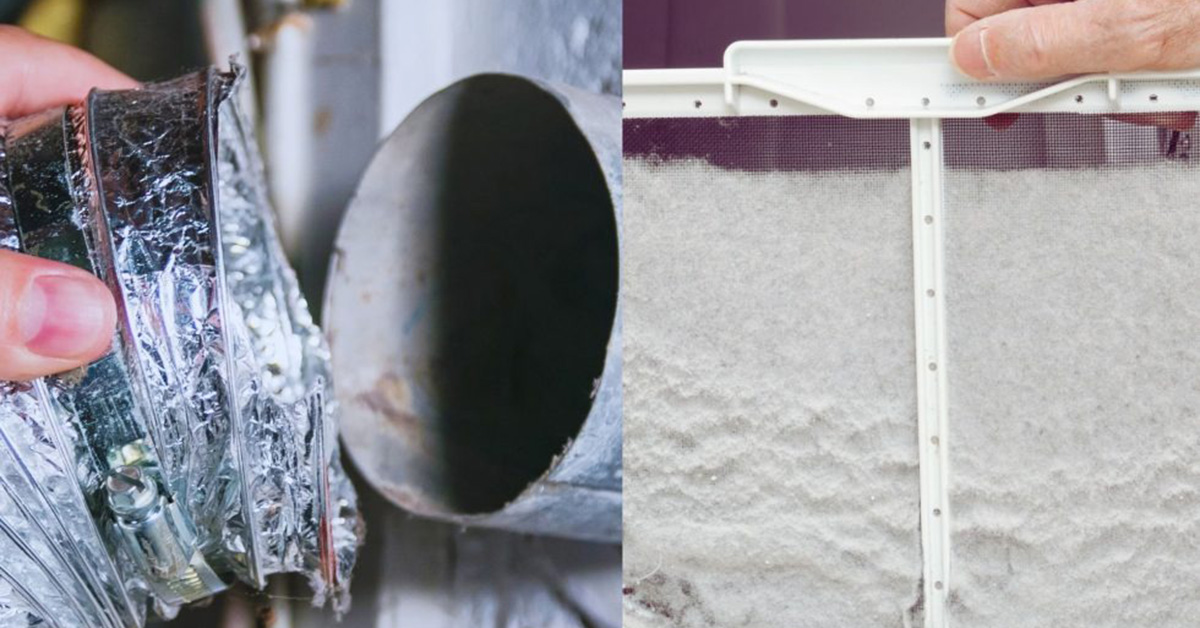
After unloading clothes from your dryer, you always find that small compartment that collects debris and clean it out. Most people call this the lint trap — though it’s sometimes mistakenly referred to as the dryer vent. If you’ve ever wondered about the actual functional difference between the two, here’s a clear breakdown of lint trap vs dryer vent and why both matter for home safety.
Your Trusted Home Service Experts in Texas
A Brief History of the Lint Trap
When the dryer runs, it removes waste materials that have accumulated in clothing and linens. The byproduct — lint — gets collected in the trap to keep dried items clean and to prevent loose lint from becoming a fire hazard. Before dryers became a household fixture in the 1940s, early inventors in the laundromat industry were already working on the problem. Patents granted in 1909 and 1913 to Elmer E. Wingate and Richard Roost describe early iterations of the lint-catching dryer — the former describing a “rotary clothes dryer” and the latter using an exhaust system to improve lint removal.
Why Have a Lint Trap?
Lint isn’t just a nuisance — it’s a serious fire hazard. The U.S. Fire Administration has found that 4% of residential fires are caused by dryers, and when dryers do cause fires, the most common cause is failure to clean the lint trap. Regular removal of lint after every load is one of the simplest and most effective fire prevention habits a homeowner can maintain.
What Is a Dryer Vent?
The dryer vent is an entirely separate component — it’s the tube that connects the dryer to the exterior wall, removing hot, moist air from the machine and expelling it outside. There are four main types of dryer vent ducts used in residential properties: aluminum foil, semi-rigid metal, slim (periscope), and rigid metal ducts. Aluminum foil and semi-rigid metal ducts are affordable and easier to install but lack the durability of their counterparts. Slim and rigid metal ducts last longer and perform better, but professional installation is recommended to ensure they’re set up correctly and safely.
How Do Dryer Vents Work?
When the dryer runs, spinning and hot air work together to dry clothes — producing condensation as moisture is extracted from the fabric. That moisture is then channeled through the dryer vent and expelled outside the home. A properly functioning vent ensures this moisture exits efficiently — a blocked or damaged vent causes it to back up, creating heat buildup, extended drying times, and increased fire risk.

Lint Trap vs Dryer Vent: Maintenance Tips
Now that the difference is clear, it helps to understand how maintenance requirements differ between the two. Lint trap maintenance is a simple DIY task — clean it after every single load by removing the lint by hand and disposing of it. Rolling the lint together first makes it easier to collect cleanly.
Dryer vent cleaning, on the other hand, is best left to professionals. Attempting to clean your own dryer vent without the right equipment can cause unintentional damage, leave blockages in place that slow drying times, or create conditions that increase fire risk. Professional dryer vent cleaning every six months keeps your system safe, efficient, and performing the way it should.
Fresh Air Duct Cleaning Is on the Case
If you’re in the DFW area and looking to have your dryer vents inspected, cleaned, or repaired, the team at Fresh Air Duct Cleaning is ready to help. From semi-annual cleanings to repair and replacement services, we handle it all. Contact us today or call (214) 239-1832 to schedule your service.