
August 18, 2025 Written by: Daniel Draney
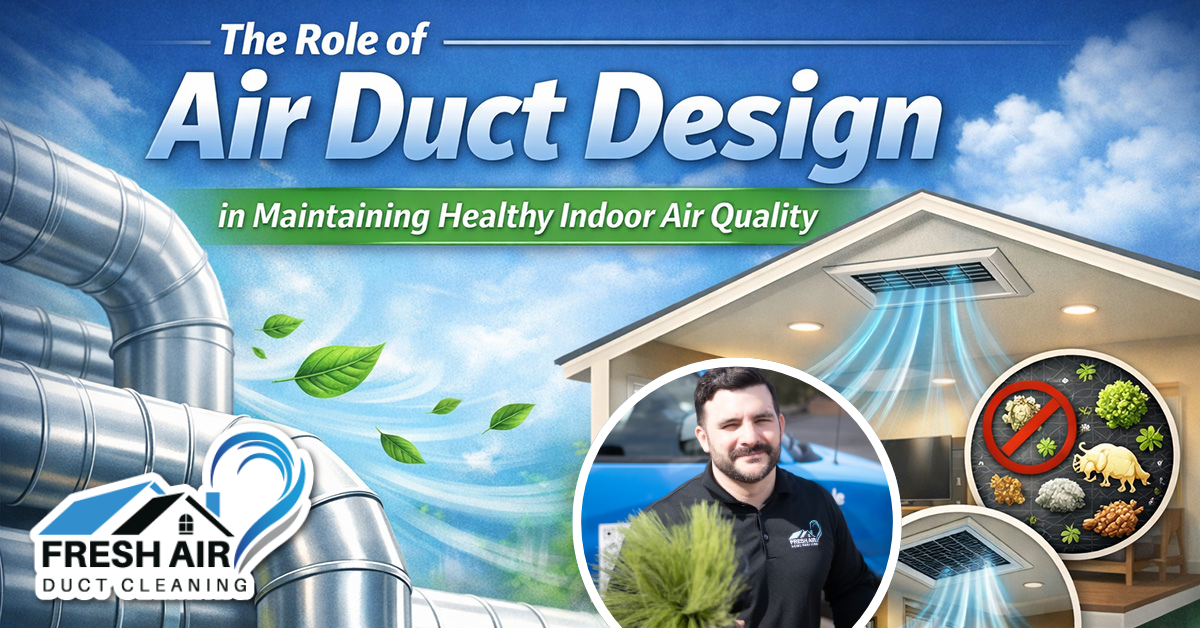
The Role of Air Duct Design in Maintaining Healthy Indoor Air Quality
You might never pay much attention to the metal tunnels running through your walls and ceilings — but your air ducts work hard every day, moving conditioned air to every room in your home. When they’re well-designed and properly maintained, they’re invisible allies. When they’re not, they become a source of dust, mold, allergens, and higher energy bills. Here’s why air duct design matters more than most homeowners realize.
Your Trusted Home Service Experts in Texas
What Air Ducts Actually Do
Air ducts are the delivery system for your HVAC — they carry heated or cooled air from your system to every room, then pull air back to be filtered and recirculated. But they do more than move air. If those ducts have leaks, sharp bends, or accumulated debris, they also become pathways for contaminated air from attics, crawlspaces, and wall cavities to enter your living spaces. Dusty, humid, or mold-prone areas connect directly to your breathing environment whenever the system runs.
How Duct Design Affects Indoor Air Quality
Straight Paths Are Healthier Paths
Air slows down at every twist, sharp turn, and unnecessary bend in a duct run. When airflow slows, dust and moisture accumulate in those spots — and mold loves stagnant, damp places. Smart duct layouts keep runs as short and direct as possible, reducing the opportunity for buildup and improving air delivery to every room.
Size Matters
Ducts that are too small force air through at high velocity, picking up dust and debris along the way. Ducts that are too large allow air to slow down and stagnate, letting particulates settle. Properly sized ductwork delivers air evenly and efficiently — no cold bedrooms, no stuffy corners, and consistent air quality throughout the home.
Sealing Is Critical
Over time, duct joints pull apart, seals deteriorate, and gaps form. Studies show leaky ducts can draw in up to 30% of dirty outside air — pulling in attic dust, pollen, insulation fibers, and moisture every time the system runs. Properly sealed ductwork keeps your filtered air clean from the moment it leaves the system to when it reaches the vent.
Clean Ducts Mean Clean Air
Accumulated dust, debris, and even small objects inside ductwork get blown through your home every time the system runs — settling on furniture, carpets, and everything else. Regular professional cleaning removes these contaminants, reducing allergens, cutting down on sneezing and coughing, and making a noticeable difference in how the air in your home feels.

Common Signs of Bad Duct Design
Poor ductwork setups are more common than most homeowners realize. Watch for kinked or crushed flexible ducts in the attic, duct runs with excessive twists and sharp turns, sections running through uninsulated attics or crawlspaces where condensation can form, loose connections held together only by old tape, and long runs that weaken airflow room by room. All of these can be corrected — but they require professional assessment to find and fix properly.
Signs Your Ducts May Be Affecting Your Health
Pay attention if you find yourself sneezing or coughing more at home but feeling better outdoors, if allergy or asthma symptoms flare up indoors, if musty or stale odors persist even after airing rooms out, if dust keeps returning no matter how often you clean, or if some rooms feel stuffy or significantly different in temperature compared to others. Two or more of these signs together is a strong indicator that your ductwork deserves a professional look.
Why Dallas Homes Need Extra Attention
Dallas homeowners face long hot summers, high humidity, temperature swings, and heavy pollen seasons — all of which stress ductwork more than milder climates. Poorly sealed ducts pull humid attic air into the system, accelerating mold growth. During peak pollen season, leaky ducts essentially bypass your filters and deliver allergens directly into your living space. Ductwork designed and maintained for North Texas conditions makes a measurable difference in both comfort and air quality.
How Proper Duct Design Protects Your Home
Well-designed, sealed, and insulated ducts block allergens and outdoor contaminants from entering your air supply. Properly insulated ducts prevent condensation from forming inside the system, keeping mold from establishing a foothold. Even airflow distribution eliminates hot and cold spots throughout the house. And correctly routed exhaust ducts in kitchens and bathrooms remove fumes, cooking odors, and excess humidity quickly and efficiently.
What Happens During a Professional Duct Cleaning and Inspection
A professional visit from Fresh Air Duct Cleaning begins with a thorough inspection using cameras and diagnostic tools to check every vent and duct section. Leaks are sealed using proven materials — not standard duct tape, which deteriorates quickly under temperature swings. Rotating brushes and commercial vacuums remove accumulated dust, debris, and any contaminants. If needed, the system is sanitized to address mold or bacteria. Finally, airflow is tested to confirm everything is working correctly before the team leaves.
Air Duct Design Tips That Make a Real Difference
When it comes to duct performance, the fundamentals matter: keep runs short and direct, size ducts correctly for the system and home, insulate all sections running through attics or unconditioned spaces, secure every connection with proper hardware and sealant, keep return air vents clear of furniture and obstructions, and schedule a professional inspection at least every few years. These principles apply whether you’re building new or improving an existing system.
Everyday Steps You Can Take
Between professional visits, you can support your duct system by changing your air filter every one to three months, keeping vents open and unblocked, listening and watching for clues like hissing sounds, visible dust blowing from vents, or musty odors, and avoiding storing items on or against ductwork in the attic. These small habits extend the life of your system and help maintain air quality between professional cleanings.
Questions to Ask Your Duct Professional
Before hiring anyone for duct work, ask whether they check for mold and leaks throughout the entire system, whether they provide a report or video showing what they find, what sealants and insulation materials they use, how frequently they recommend cleaning and inspection for your type of home, and whether they can provide before-and-after documentation. These questions help you evaluate quality and make sure the job is done right.
Ready for Cleaner Air? Call Fresh Air Duct Cleaning Today
Your family deserves clean air — and clean air starts with the systems behind your walls. Fresh Air Duct Cleaning brings years of experience helping Dallas homeowners breathe easier, from careful inspections and thorough cleaning to practical advice on improving ductwork design. Call us at (214) 239-1832 or schedule online to get started today.